

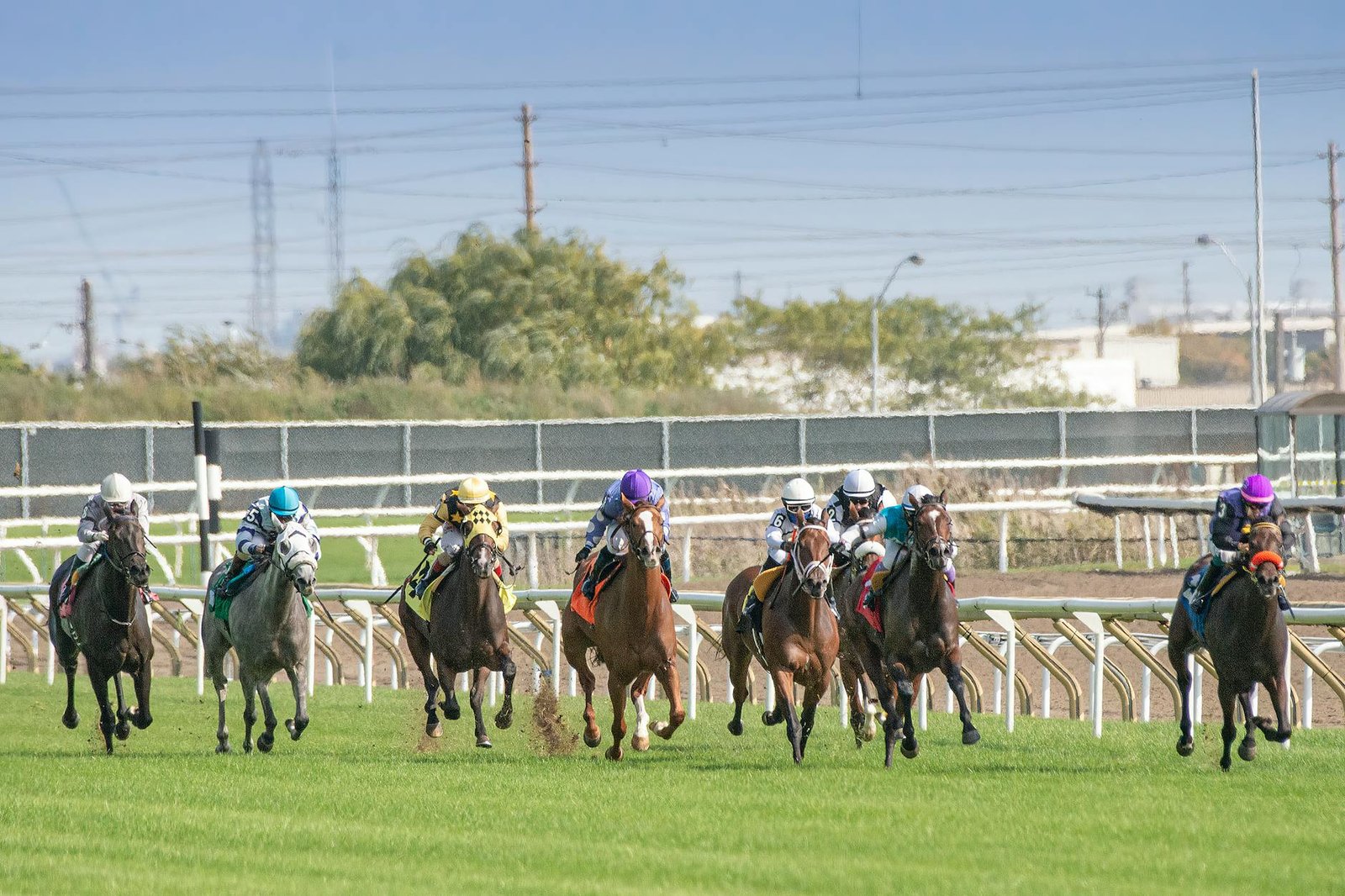
Machine learning and AI research using horse racing data spans pace modelling, performance indexing, time-series forecasting and computer vision. Here is an overview of the application landscape from a data infrastructure perspective.

Translating structured racing records into useful ML features requires domain knowledge and careful schema design. This post covers practical feature construction strategies using the HRDB relational schema.

Sectional time data is the most analytically valuable signal in horse racing. This post explains what sectional fields contain, how they are structured in the HRDB schema, and what you can do with them.
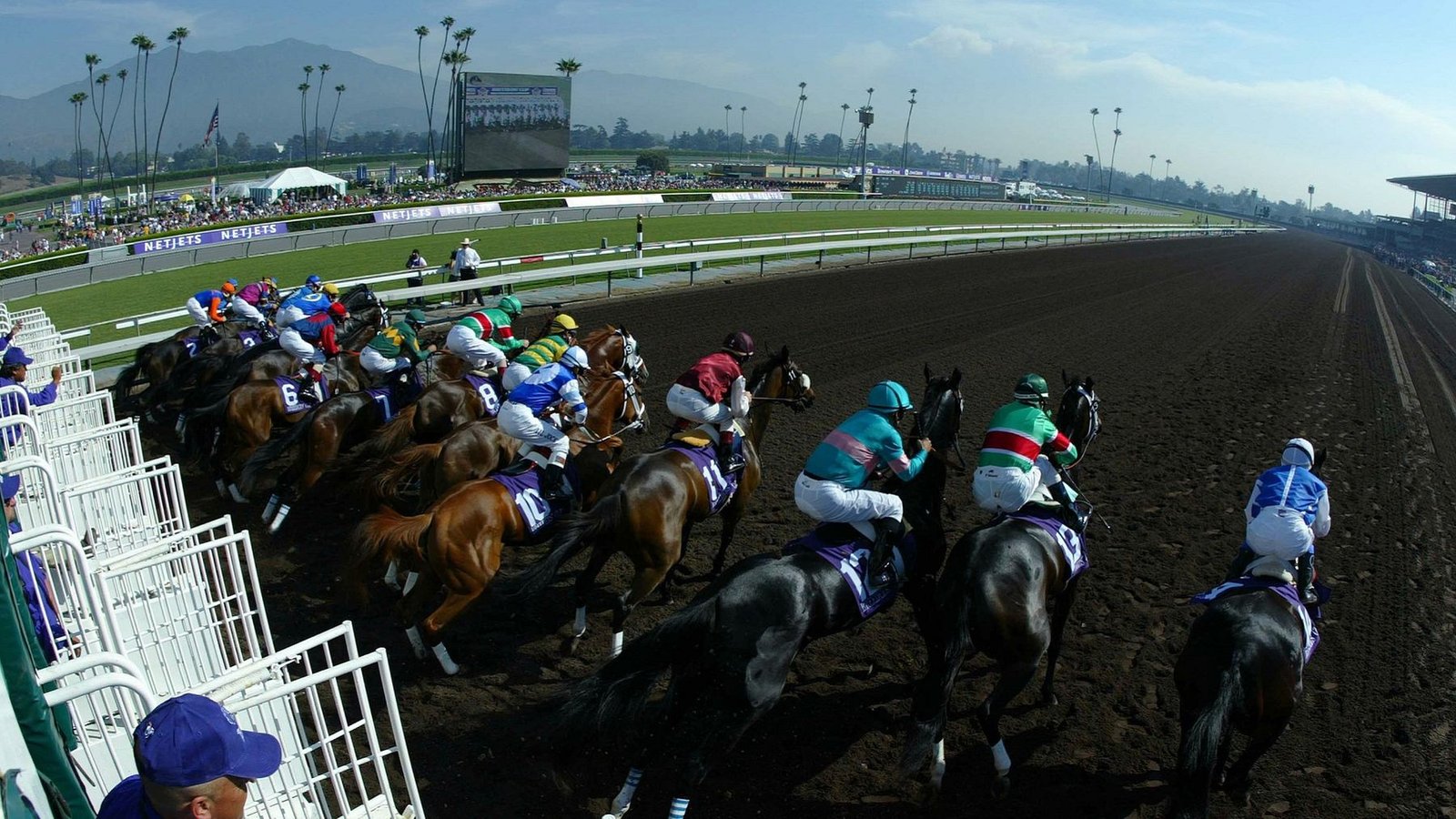
Race records in a structured horse racing dataset contain far more than just the finishing order. This post covers the anatomy of a form record in the HRDB schema.
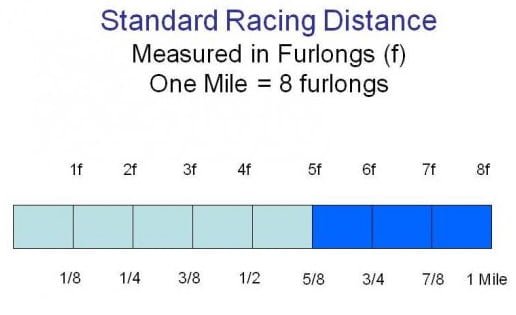
Race distances are encoded differently in Hong Kong and UK racing. This post explains the conventions used in each jurisdiction and how the HRDB schema normalises them for consistent cross-market querying.

A guide to what HRDB covers in the Hong Kong racing season — including how often data is updated, how far back the archive goes, and what to expect from each type of data record.

HRDB UK dataset coverage spans flat and National Hunt racing across Great Britain and Ireland. Here is what is included, the start date for each data type, and how to access it.

What happens if a horse is pulled out of the race or it ends up head […]

We’ve put together a decimal odds to fractional odds conversion table of some of the most […]

Predicting outcomes in horse racing is one of sports analytics most complex modelling challenges. This post covers the data requirements, modelling approaches and key considerations for ML researchers.
Recent Comments