

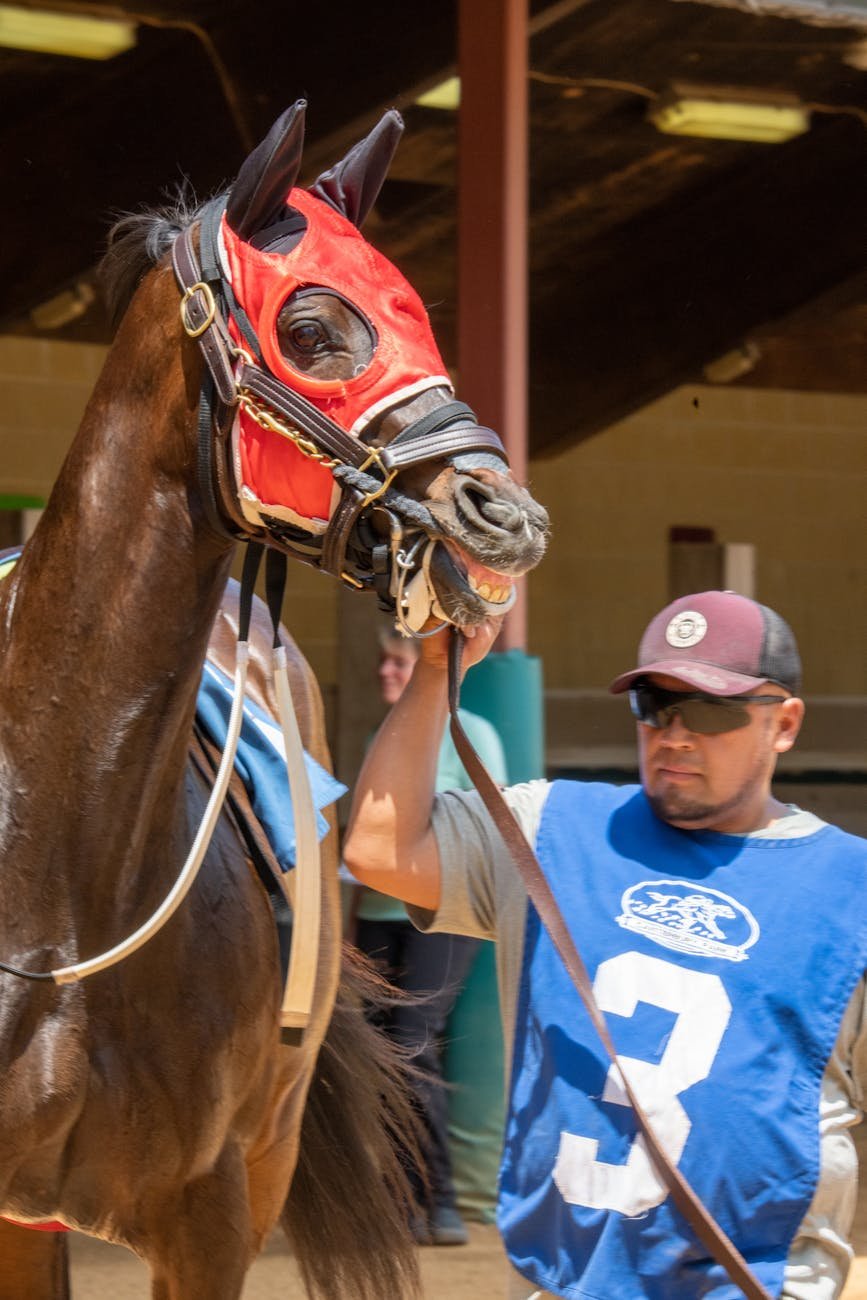
The HRDB Hong Kong dataset encodes two field types that frequently trip up analysts encountering HK racing data for the first time: distance codes and gear codes. Both use standardised abbreviations that are consistent across our entire archive back to 1979. This guide covers what each code means and how to use them in your data queries.
Distance Codes
Distances in HK racing are measured in metres and expressed in our dataset using the following standard values:
| Code | Distance | Notes |
|---|---|---|
| 1000 | 1000m | Sha Tin straight course |
| 1200 | 1200m | Most common sprint distance |
| 1400 | 1400m | Standard mile prep distance |
| 1600 | 1600m | One mile, both courses |
| 1650 | 1650m | Happy Valley specific |
| 1800 | 1800m | Middle distance |
| 2000 | 2000m | Sha Tin feature distance |
| 2400 | 2400m | Long distance championship |
For sectional time data, our schema maps each split to a cumulative distance from the start, allowing direct comparison of pace profiles across races run at different distances.
Gear Codes
Gear changes are reported in the pre-race declarations and carry over into results. Our racecard entries include a gear field that encodes the full equipment set worn by each horse. Common gear codes in the HK dataset include:
| Code | Equipment | Analytics note |
|---|---|---|
| B | Blinkers | Strong signal — often associated with first-time cheekpiece/headgear applications |
| BO | Blinkers (Open) | Less restrictive variant of full blinkers |
| P | Pacifiers / Hood | Calming headgear, commonly first-time applied on debuts or after difficult barrier draws |
| TT | Tongue Tie | Respiratory management gear |
| V | Visor | Side-panel eye cover, intermediate between blinkers and pacifier |
| XB | Cross-Over Noseband | Head carriage correction gear |
| SR | Shadow Roll | Ground-level vision restriction |
Using Gear Data in Analysis
Gear changes are one of the most underutilised signals in racing data analysis. Because our schema tracks gear applied per horse per race consistently across the full archive, you can build queries that identify first-time gear applications, gear removal effects, or performance differentials by equipment type across a specific horse’s career.
A simple example: identifying all runners in the 2023-24 season that wore blinkers for the first time and had previously finished outside the top four. This type of query runs directly on the relational schema without requiring any intermediate data wrangling.
Accessing the Full Schema Documentation
Full field-level documentation for the HK dataset — including all gear codes, going scale values, class rating conventions, and dividend pool identifiers — is provided to all HRDB subscribers as part of onboarding.
View the Hong Kong dataset overview or contact our team to discuss schema access for your specific use case.
No responses yet